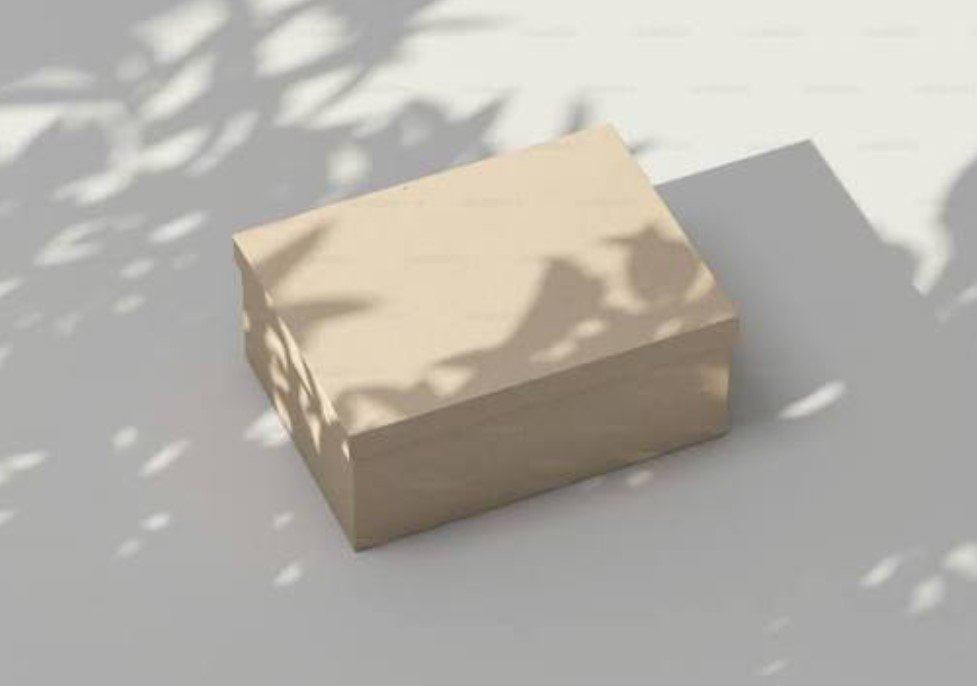
Packaging plays an important role in the jewelry industry. Whether a business sells rings, necklaces, bracelets, or earrings, the way products are packaged can influence customer satisfaction and brand perception. Well-designed jewelry boxes protect delicate items, improve presentation, and help businesses maintain a professional appearance.
However, finding a reliable manufacturer is not always easy. Businesses must consider several factors, including material quality, customization options, pricing, and production timelines. Choosing the right supplier can help avoid packaging problems and unnecessary expenses.
This guide explains what to look for when selecting a jewelry packaging manufacturer and how to make a suitable choice for your business.
1. Understand Your Packaging Requirements
Before contacting manufacturers, determine what type of packaging your business needs. Different jewelry products require different box sizes, inserts, and materials.
For example, rings usually need compact boxes with secure holders, while necklaces may require larger boxes with soft inserts to prevent movement.
Consider the following requirements:
-
Types of jewelry you sell
-
Preferred box sizes and shapes
-
Packaging materials and finishes
-
Logo printing and branding requirements
-
Estimated monthly packaging quantities
Having clear specifications helps manufacturers provide accurate quotations and recommend suitable packaging solutions.
2. Check the Manufacturer’s Product Quality
Quality should be a priority when selecting a jewelry box manufacturer. Poorly constructed boxes can become damaged during shipping or fail to protect the products inside.
Request samples before placing a large order. Examine the materials, printing quality, box structure, and finishing details.
Pay particular attention to the strength of the box, the quality of its hinges or magnetic closures, and the security of its internal inserts.
A reliable manufacturer should be able to explain the materials used and provide consistent quality across production batches.
3. Explore Customization Options
Customized packaging helps jewelry businesses maintain consistent branding. A custom jewelry box manufacturer should offer different design options based on your products and brand requirements.
Common customization features include:
-
Logo printing or embossing
-
Custom colors and patterns
-
Magnetic or ribbon closures
-
Velvet, foam, or fabric inserts
-
Different box shapes and dimensions
-
Matte or glossy finishes
Not every business requires elaborate packaging. Simple designs with recognizable branding can also create a professional appearance.
Choose customization features that improve presentation without increasing costs unnecessarily.
4. Compare Pricing and Minimum Order Quantities
Packaging costs directly affect a business’s operating expenses. Manufacturers often calculate prices based on materials, dimensions, printing methods, and order quantities.
Some suppliers require large minimum order quantities, which may not be practical for small jewelry businesses.
When comparing quotations, ask about:
-
Minimum order quantity (MOQ)
-
Unit prices at different quantities
-
Custom printing and setup charges
-
Sample production costs
-
Shipping fees and applicable taxes
Avoid choosing a supplier based only on the lowest price. Consider product quality, delivery reliability, and customer service before making a decision.
5. Evaluate Production and Delivery Times
Reliable delivery is essential, particularly for businesses preparing seasonal collections or launching new products.
Ask manufacturers how long they need to produce samples and complete bulk orders. Custom packaging may require additional time for design approval, printing, and assembly.
Confirm shipping arrangements and request realistic delivery estimates.
It is also helpful to understand how the manufacturer handles production delays, damaged shipments, or incorrect orders.
Clear communication can reduce misunderstandings and make inventory planning easier.
6. Consider Sustainable Packaging Options
Some jewelry businesses prefer packaging that reduces unnecessary material use or incorporates recycled components.
Manufacturers may offer recycled cardboard, paper-based inserts, reusable pouches, or other alternatives to conventional packaging.
Ask suppliers about material sourcing, recyclability, and relevant certifications where applicable.
Remember that sustainable packaging must still provide adequate protection. Packaging that becomes damaged easily may result in product returns and additional waste.
7. Review Communication and Customer Support
Good communication is important throughout the manufacturing process. A dependable supplier should respond clearly to questions, provide detailed quotations, and explain production requirements.
Before placing an order, confirm the agreed specifications, payment terms, quality expectations, and delivery schedule in writing.
You can also request references or review examples of previous packaging projects to evaluate the manufacturer’s experience.
Conclusion
Choosing the right jewelry box manufacturer requires careful consideration of quality, customization, pricing, and reliability. Businesses should compare suppliers, request product samples, and confirm all requirements before placing bulk orders.
The most suitable manufacturer is one that understands your packaging needs, offers consistent product quality, and provides dependable service. Making an informed decision can help your jewelry business control packaging expenses, protect products, and deliver a better customer experience.